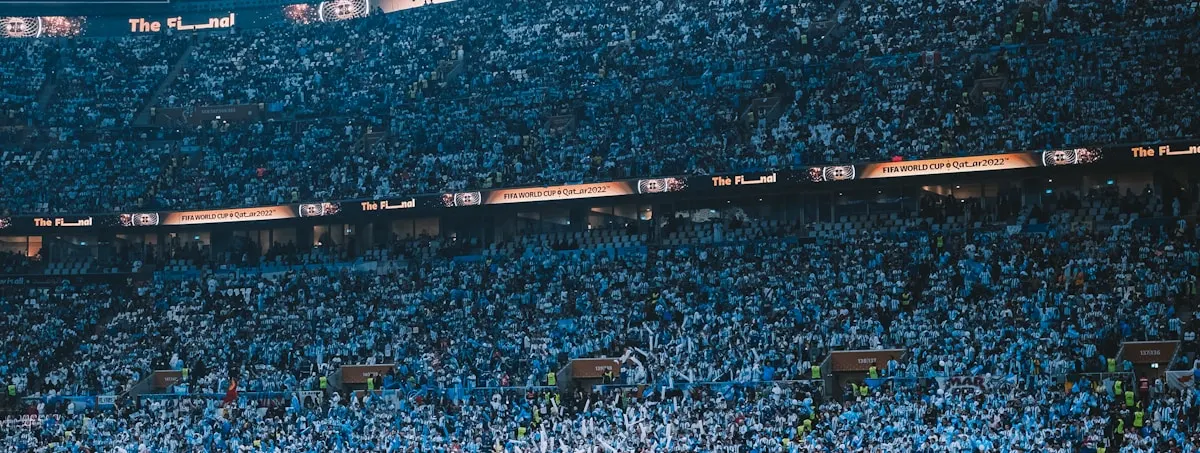
With Colombia qualified and the whole country following every match, there is a phenomenon I watch closely as an economic criminal lawyer whenever an event of this scale arrives: the rush of brands, businesses and individuals trying to capitalize on collective enthusiasm without measuring the legal limits of that opportunity. The World Cup does not just stir emotions; it moves industrial property rights, sponsorship contracts, and, when handled poorly, criminal transnational counsel.
The most frequent case is so-called "ambush marketing," a form of corporate criminal risk: companies that, without being official sponsors, use symbols, phrases or insignia associated with the tournament or the national team to sell products, implying an official link that does not exist. This is not a simple marketing infraction. When there is unauthorized use of a registered trademark, imitation of official logos, or appropriation of a player’s image without consent, both civil unfair-competition claims and, in more serious cases, criminal offenses related to industrial property rights come into play.
Add to this a less discussed risk, and two distinct types of conduct should be separated. Counterfeiting jerseys, tickets or accessories — manufacturing or selling goods that imitate registered trademarks — can constitute offenses against industrial property or copyright. Reselling legitimate tickets, by contrast, is a different conduct that only becomes criminally relevant when accompanied by fraud, forgery of the ticket, or a breach of specific resale rules; resale is not, by itself, always a crime. For the informal vendor who manufactures or sells counterfeit merchandise, the line toward committing an offense against copyright or industrial property is thinner than it looks, and the consequences — criminal proceedings, seizures, penalties — can be disproportionate to the expected profit.
For companies that are legitimate sponsors or want to associate properly with the event, the central issue is contractual compliance: territorial exclusivity clauses, player image rights, license duration and, above all, due diligence on counterparties. Failing to verify whether a contracted third party actually holds the rights it claims over a trademark or a sports image can expose a company to civil claims and, in more serious cases, criminal liability.
My recommendation for business owners and executives who want to ride the World Cup wave is simple but often ignored: before launching any campaign, ad or product tied to the tournament, get specialized legal advice on what industrial property rights are at stake, whether a license is required, and how close the advertising piece comes to suggesting a nonexistent official association. Collective enthusiasm is exactly the terrain where the mistakes that later end up in a prosecutor’s office are made.
Enthusiasm for the national team is legitimate and worth celebrating. What cannot happen is for that enthusiasm to become, through carelessness or eagerness to stand out, the gateway to an avoidable criminal proceeding. As with almost everything I handle, the difference between a successful commercial strategy and a serious legal contingency usually lies in prevention, not in the defense that comes after.